

Merchants will notice that there are different names for the various partners they work with. Most transactions go through different organizations before the funds can be settled. This can be confusing, but here we will help explain one of the consumer organizations that is part of a payment transaction.
The issuing bank is the bank or financial institution that provides a credit card to a customer. When a customer uses a credit card, they are borrowing money from the issuing bank.
Issuing Bank Table of Contents
Credit card networks such as Visa, MasterCard, and others have relationships with issuing banks for the purpose of providing credit cards to customers.
Responsibility of the Issuing Bank
The responsibilities of the issuing bank range from customer service to cybersecurity, and everything in between! The issuing bank is responsible for billing the customer and managing the customer’s credit card account. In some cases, the issuing bank may also provide other services, such as cash advances or balance transfers.
When a cardholder uses their card, the issuing bank is responsible for backing those purchases with cash until the cardholder pays them back.
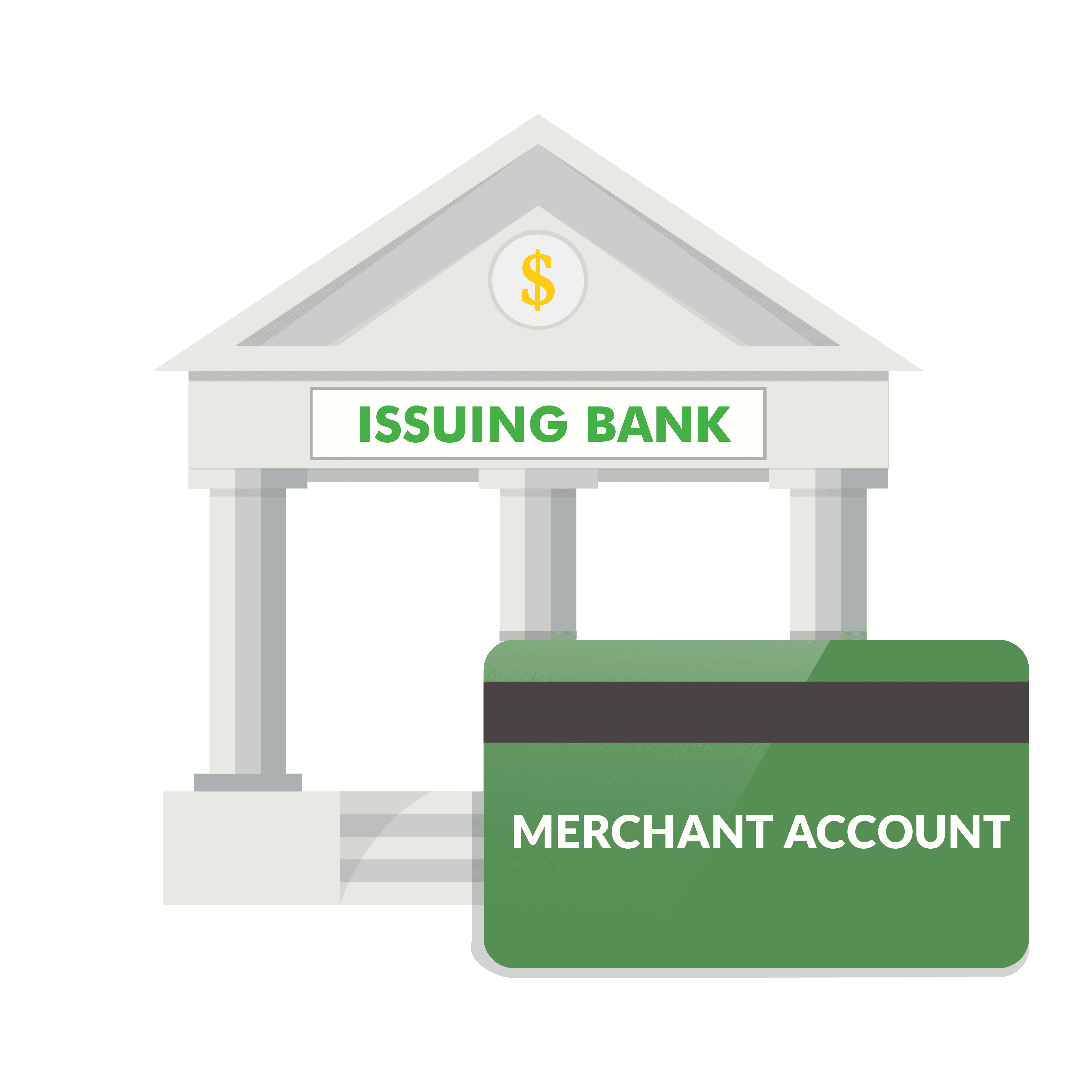
Card issuers also offer card maintenance services to their customers. This includes physical maintenance like replacing lost or stolen cards and issuing new ones when the old ones expire. It also includes virtual maintenance services like cancellation, suspension, setting limits, and more.
Cybersecurity is another important part of the card issuer’s role. When a bank issues a card to a customer, that bank is responsible for protecting the data associated with the cardholder during a transaction. This includes the implementation of PCI-compliant protocols such as data encryption, limited access to data, and other measures that protect the security of the information.
Issuing banks also have the unpleasant responsibility of paying their customers’ debts if they don’t pay their credit card bills. The card network agreement states that the issuer and the acquirer are expected to split the debts incurred by the cardholder in the instance of non-payment.
Functions of the Issuing Bank
When you complete a transaction with a credit card, the issuing bank plays an important role in the authorization and processing of that transaction. Here’s an outline of the process:
When a transaction is attempted, the acquiring bank (the merchant’s bank) will send the transaction information to the issuing bank through an online network. Transaction information includes the account number, cardholder information, amount of the purchase, and other key details.
When this information is received, the card issuer will first verify that your account is active and in good standing.
If your account is good to go, the issuing bank will then review the transaction details to ensure that you have sufficient funds available to cover the purchase. If so, the issuing bank will approve the transaction to move forward.
Depending on the level of fraud security that is in place, the issuing bank may also review the transaction for legitimacy. For example, they may have software that identifies purchases that are unusual or out-of-the-ordinary for that cardholder. They may also have detection software that recognizes when the purchase is being made from an odd URL or physical address. This type of software can also identify multiple purchases being made with the same card in a short amount of time.
If all is well, the issuing bank will approve the transaction. If not, they will decline it. Once the transaction is approved, the card issuer will send an authorization code to the merchant, who can then complete the sale. This can be an online merchant, or a brick-and-mortar store. For an online merchant, the code is sent to the virtual payment gateway. For an in-store purchase, the code is sent to the point-of-sale system, or physical payment terminal.
Finally, the card issuer will settle the transaction with the merchant, transferring the funds from your account to their account. This is sometimes completed within 24 hours but could also take a few days to complete. It depends on how frequently the merchant reconciles their financials and settles their transactions.
Throughout the payment process, the card issuer works to protect your data and safeguard your account information. By working with trusted merchants and partnering with reliable payment processors, they help to ensure a safe and secure shopping experience for all cardholders. Issuers play a vital role in ensuring that you can use your credit card with confidence.
How Do Banks Make Money on Credit Cards?
Banks make money from credit cards in a few different ways, including the following:
Transaction Fees: Banks make money from credit cards by charging transaction fees to the merchant whenever a card is used for payment. These fees are typically a percentage of the total purchase price, and they vary depending on the type of card being used. For example, banks may charge higher fees for rewards cards or premium cards.
Annual Fees: Issuing banks may also charge annual fees to cardholders. These fees are generally based on the credit limit or the account balance.
Late Payment Fees: When a cardholder is late making their payment to the bank, they are typically charged a late fee.
Cash Advance Fees: If the card issuer offers cash advances, they likely charge for that service. There is typically a fee associated with cash advances that is charged on the card and appears on the statement within one or two billing cycles.
Balance Transfer Fees: Much like a cash advance, many card issuers also offer balance transfer services. These also generally incur a fee that provides an income stream for the issuing bank.
Interest: Finally, banks also earn interest on credit card balances. When cardholders carry a balance from month to month, the banks will typically charge interest at a higher rate than they do for savings accounts.
As you can see, the name of the game for issuing banks is “fees”. There is a fee for basically anything you want to do with a credit card. Many card issuing banks offer zero-interest rates or zero-fee balance transfers for an introductory period to entice customers to sign up for their cards. Once the introductory offer is over, many cardholders will continue using their cards and the bank starts making money.
